


Wheel Alignment
How Do I Know If My Wheel Alignment Is Off?
If you’re experiencing any of the following:
- A sudden decrease in fuel efficiency
- A car that pulls to the left or to the right
- Uneven tyre wear
- Steering wheel vibration when driving straight
- A steering wheel that is off-centre when driving straight
It’s important to get a wheel alignment done after you have new tyres fitted. Regular wheel alignments will improve fuel economy and are essential for even tyre wear, which will give your tyres a longer life.

Wheel Balancing
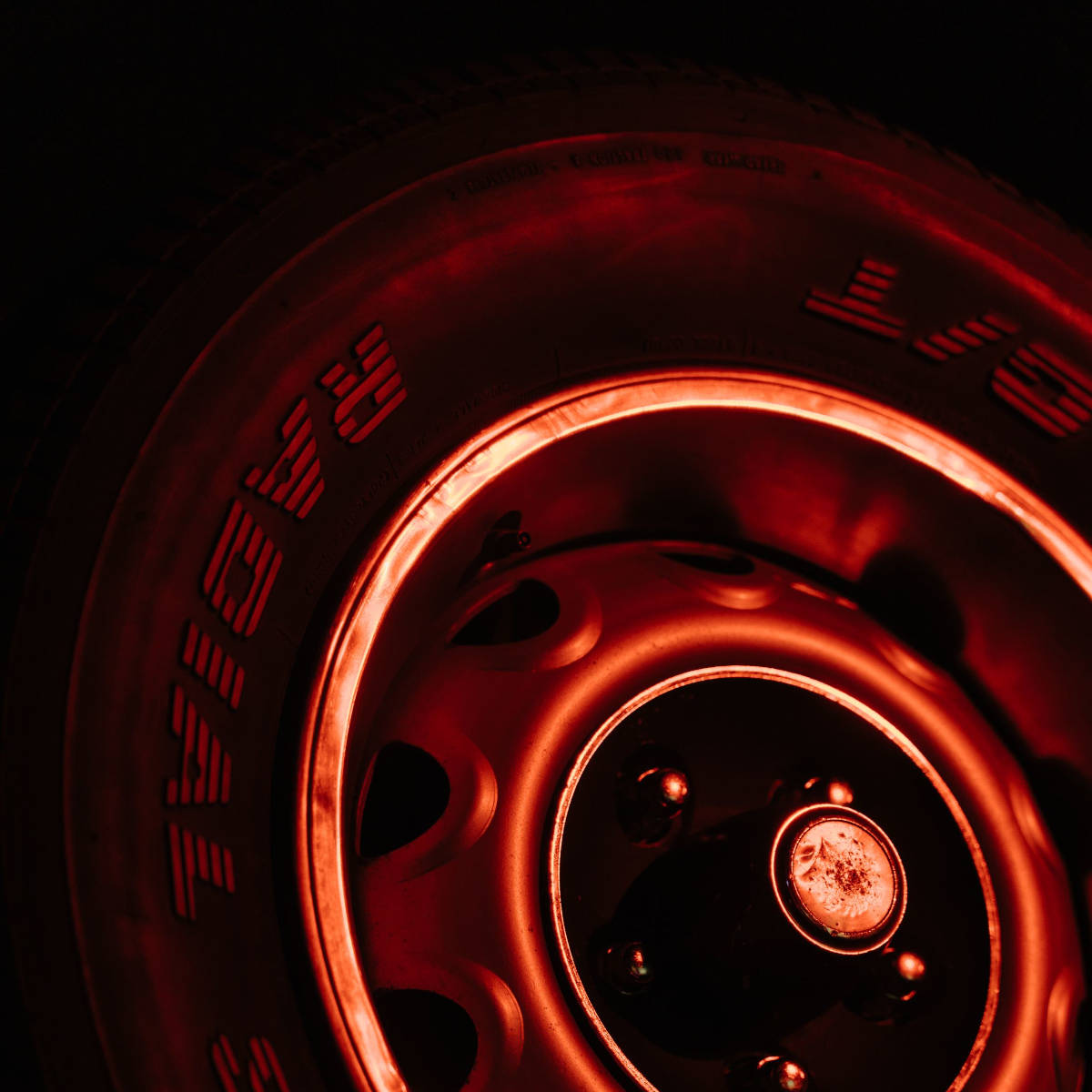
Even a brand-new tyre and wheel assembly looks perfectly round, but tiny imperfections create microscopic weight imbalances around the wheel. When travelling at Kiwi highway speeds (80–100 km/h), these tiny weight variances create massive centrifugal force, causing the wheel to hop or wobble violently.
Our precision wheel balancing service eliminates these forces using advanced diagnostic equipment
Tyre Rotation
Tyres don’t wear out at the same rate. On most passenger vehicles, front tyres shoulder the heavy burdens of steering, braking forces, and the weight of the engine block. Because of this, front tyres typically wear down much faster than rear ones.
A professional tyre rotation involves systematically swapping the positions of your tyres across the front and rear axles to ensure all four tyres experience uniform tread wear over their lifetime.
Puncture Repair
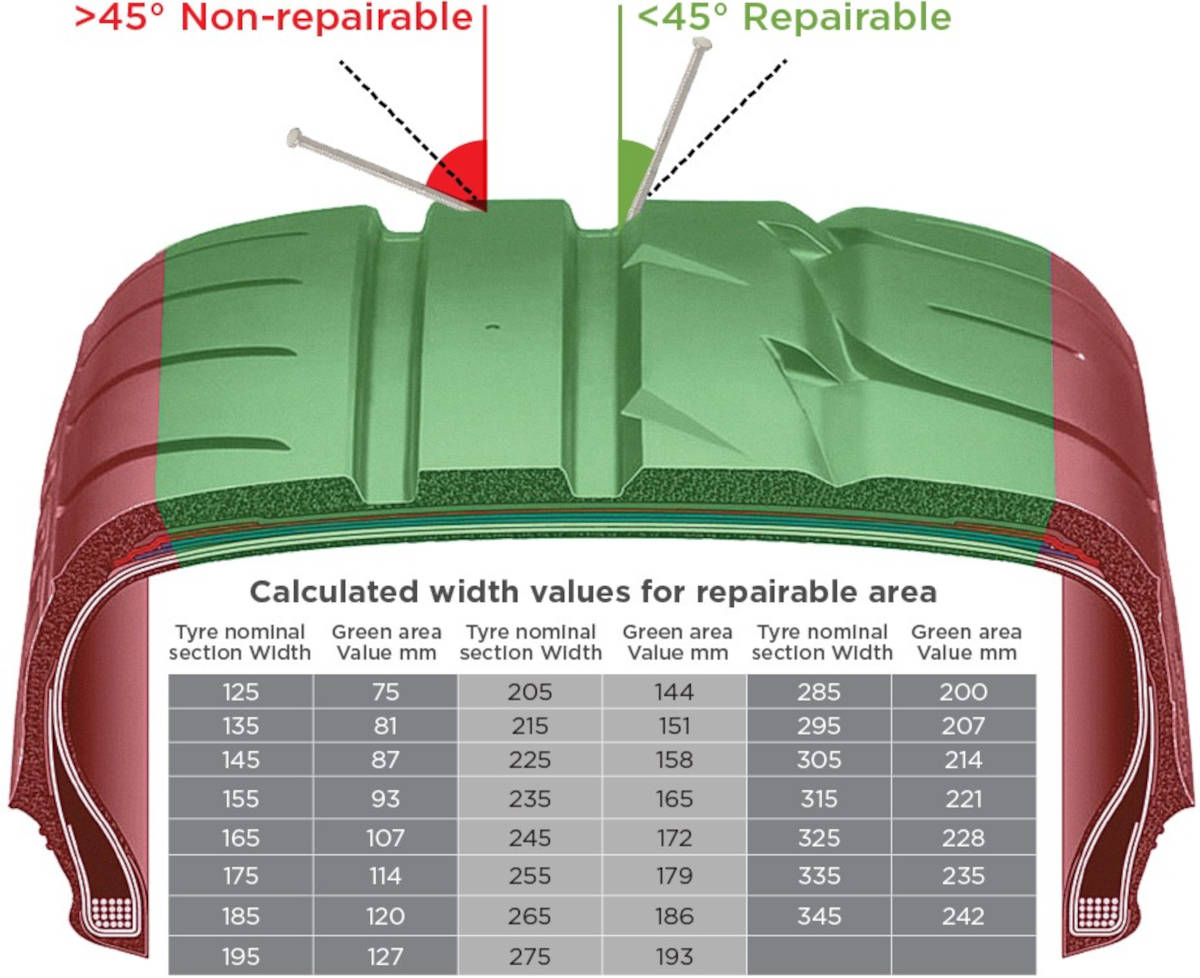
To ensure optimum tyre safety, only tyres that suffer a penetration in the tread area and meet the below criteria are repairable.
1. Puncture occurs from belt edge to belt edge on tread area (Green area, see table below).
2. Angle of puncture penetration is within 45° from the vertical.
3. Puncture is no larger than 6mm (10mm for TBR).
4. Tyre has not worn below 1.6mm of remaining tread depth.
5. Tyre has no visible sign of underinflation or runflat damage.
6. Maximum of 3 repairs with a minimum of 150mm between repairs (For RFT maximum of 2 repairs, minimum of 400mm apart).
NB: Penetration occurring in side wall (Red area) cannot be repaired.
Nitrogen Filling
Reduces tyre wear by up to 50%. Correct tyre inflation is the main factor in tyre wear, not what you inflate the tyre with.
Nitrogen filling benefits include:
- Nitrogen should lead to reduced corrosion – because unlike air, there’s no moisture in pure nitrogen.
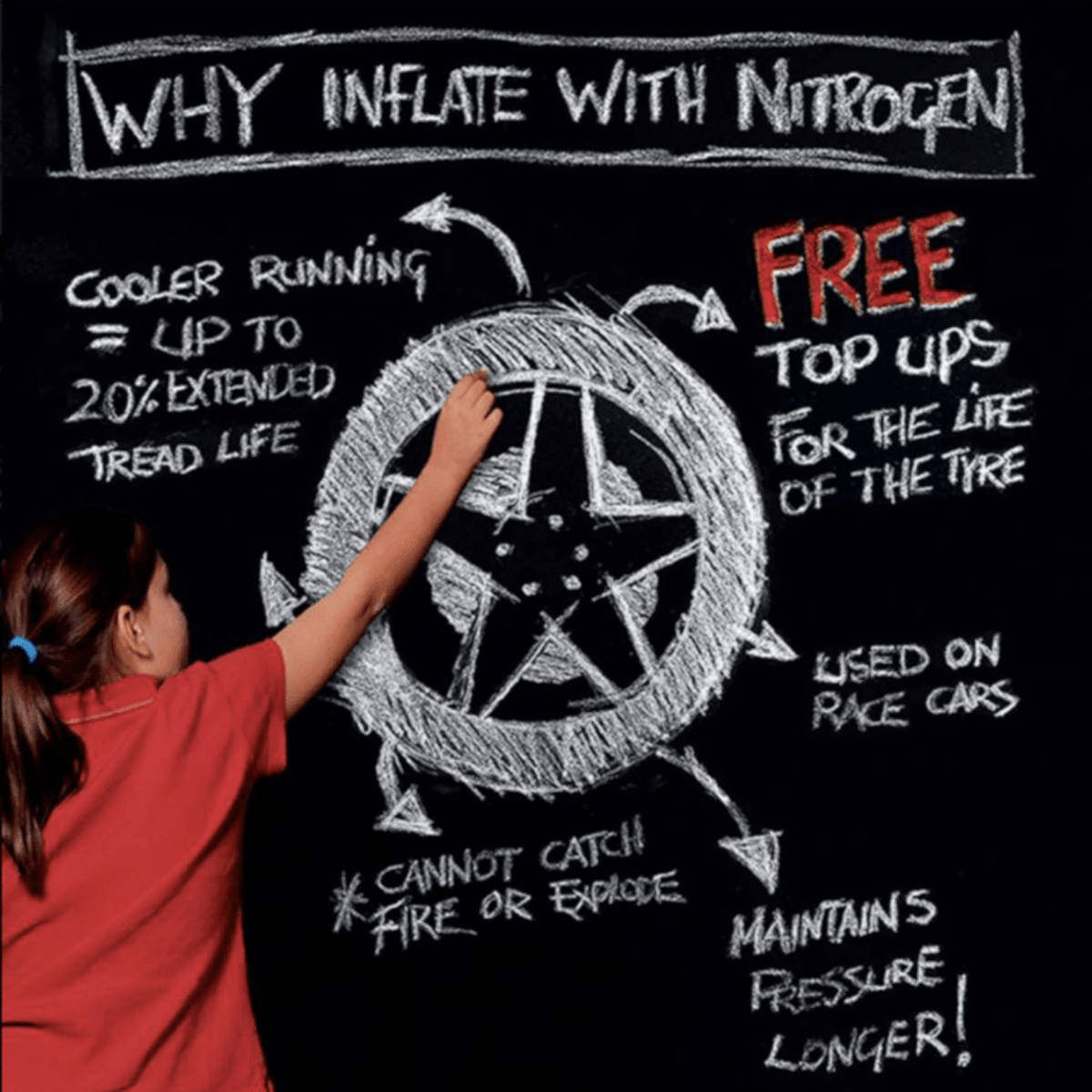
- The key benefits are a slower rate of pressure loss and cooler running temperature of tyres.
- The molecular structure of nitrogen differs from that of air, in such a way that it escapes through the tyre’s inner liner or tube at a slower rate than regular compressed air.
- The result is a dramatically slower rate of pressure loss in a tyre filled with nitrogen. For example, it might take up to six months to lose 0.14kpa with nitrogen, compared to just one month with compressed air.
- Tyres inflated with nitrogen also run cooler than those inflated with air, with some significant advantages.
- One such advantage is an improvement in tyre life of up to 20%, because by reducing the tyre’s running temperature, you can increase its tread life.
- Improved road handling is another benefit that stems from cooler running tyres.
- As tyres heat, their inflation pressure increases, which then reduces the size of the tyre’s footprint – the area that has contact with the road – and the tyre then loses grip because of this smaller footprint. So the cooler they run, the better the tyres will grip the road.
Get it Sorted. Book Your Appointment Today
Protect your tyres and save on fuel. From precision alignments to safety rotations and puncture repairs, our expert Auckland team is ready to maximise your drive. Schedule your visit today.